

The temporary loss of the soul from the body.
In the animistic ( Animistic is the worldview that non-human entities like animals, plants, rocks, and rivers possess a distinct spiritual essence (the true, unchanging self that exists beneath your physical body, thoughts, and ego., soul, or personhood) system and others, it’s believed that the body leaves the soul at night when dreaming. It detaches from the body and wanders. Such wanderings are considered normal and are not a cause for concern. Some people call this an out of body experience.
The only time for a cause of concern is if the soul can’t return to the body for one reason or another. Some people use this soullessness as an explanation for illness, comas and psychological problems
In many indigenous cultures, fainting fits, epileptic seizures, comas, and various other losses of consciousness are indications of a soul loss.
Soul loss may have a variety of causes, besides the simple inability of the soul to find its way back home. Sometimes it occurs because the ghost of a recently deceased person has managed to draw the soul away. Soul loss may also be due to witchcraft or sorcery or the actions of malevolent supernatural beings, or it may result from external injury or physical shocks to the body.
Upon its departure from the body, the soul usually heads for the Land of the Dead, and the closer it approaches this goal, the weaker and more delirious its owner becomes. When soul loss occurs, it is the task of a shaman or a priest to search for the soul and restore it to its body. This is possible so long as the soul has not yet reached the Land of the Dead, although if the illness has been caused by some sort of malevolent force or malevolent discarnate entity there can be a spiritual tug of war.
Soul loss may also occur without the owner feeling any ill effects. In these cases, the person does not know that his soul or her soul has been away until informed by someone who is a psychic.
Soul Loss and Shamans
Shamanism is an ancient world-view (not a religion), which has existed for over 100,000 years by indigenous peoples all over the globe. It’s based on the spiritual belief that there is one energetic source in all things with life. In shamanism, it is thought that the disconnected, energetic parts of us that can “leave” during trauma are parts of the soul or spirit. The shamanic term for this disconnection is “soul loss,” and it occurs in both people and animals.
When a trauma ends, a soul part usually can’t return on its own volition.
What constitutes “trauma”? Trauma can include events like abuse (verbal, physical and sexual), surgeries, car accidents, deaths, addiction, rape and molestation, alcoholism, illness, divorces and the many similar forms of loss of loved ones and pets. Most of us will have some soul loss over the course of a lifetime.
Ghosts and soul trauma
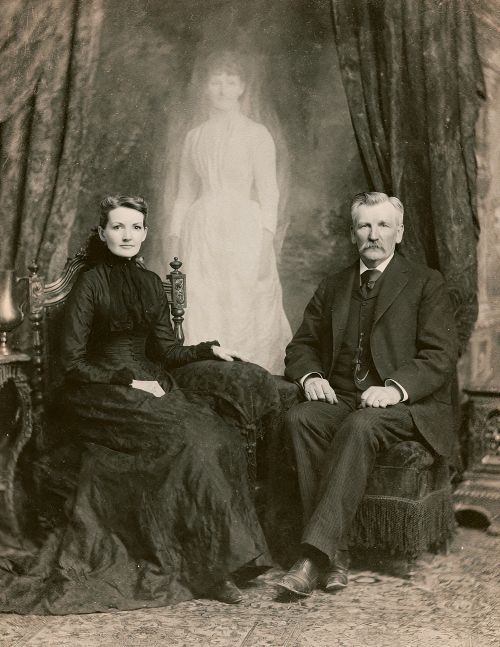
When a death is sudden or traumatic, or if a person doesn’t want to leave behind loved ones, a part of that soul can also get stuck, unable to fully transition to its source, where it evolves. That might occur if the deceased person was not able to have a peaceful death in which relationship grievances were healed, inner conflicts were resolved, and death was accepted.